
How to Verify Artisan Handmade Decor: 2026 Guide
, by Editorial Team, 5 min reading time
, by Editorial Team, 5 min reading time
Learn how to verify artisan handmade decor with practical checks for stitching, materials and provenance. Spot mass-produced vs handmade items.
Last Updated: September 29, 2026
Artisanal meaning points to goods made by hand, in small batches, by a skilled maker, but the label alone proves nothing.
Many shoppers pay more for "artisan" pieces without checking the claim. This guide from Lotus Handcrafts shows you how to verify artisan handmade decor before you buy.
The word "artisan" is not regulated in retail, so look past the label and check the evidence.
A piece earns the name when you can trace who made it, how, and from what.
The fastest test is close inspection of texture and finish. Handmade decor carries small irregularities. Machine-made decor looks identical across every unit.
Here is how to tell them apart:
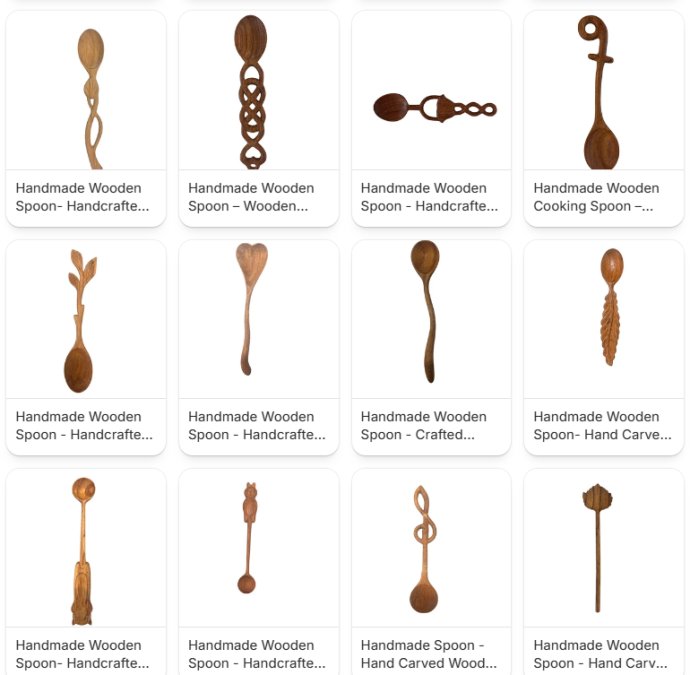
Don't trust a rustic look alone, factories can fake a worn finish, but real wear comes from the maker's hand.
For more on fair labelling, see the Australian Competition and Consumer Commission guidance on country of origin claims.
Verifying ethical home decor Australia buyers can trust comes down to proof of origin: ask the seller where the piece was made and who made it.
A genuine maker can answer: which village or workshop made this piece, what materials were used and where they were sourced, how long it took, and can they show photos of the making process?
If a seller dodges these, treat it as a red flag. Drop-shipping sellers often cannot name the maker at all.
Look for fair trade certification and third-party verification where possible for supply chain transparency you can check.
Reverse image search is a quick tool: if a product photo appears on dozens of unrelated sites, it is not a unique handmade piece.
Sustainability and handmade are not the same thing. A piece can be handmade but use unsustainably sourced wood. Ask about materials too.
At Lotus Handcrafts, we source from Vietnamese artisans and name the natural materials used.
Look for small irregularities: patchy hues, slightly uneven weave structure, and hand-finished edges. Mass-produced decor tends to be identical across units, with digital perfection and no colour variation. Turn the piece over and check stitching quality and joins; artisan-made items usually show handblock prints or tool marks. A reverse image search can also reveal whether the same design appears across dozens of drop-shipping listings, which points to factory production rather than small-batch work.
Fair trade certification is third-party verification that a product was made under agreed wage, safety and environmental conditions. It supports supply chain transparency and ethical sourcing claims that a seller's own marketing cannot prove alone. Ask which body issued it and check the certificate covers the specific artisan group that made your piece.
Ask who made the piece, where, and using which techniques. Request photos of the workshop or artisan registry details, and ask how long a single item takes to produce. A genuine maker can describe the maker story, the material quality and the finishing process in specific terms. Vague answers, stock photos only, or pressure to buy quickly are red flags. Also confirm the returns policy and delivery timeframes before you commit, especially for gifts.
The challenge is simple: "artisan" is easy to claim and hard to prove. Lotus Handcrafts makes it easier by sourcing directly from Vietnamese makers and using natural materials like bamboo, rattan, and seagrass. View all collections to find pieces with a maker story you can trace.