

Sustainable Home Decor: 10 Ideas That Last
, by Editorial Team, 17 min reading time
, by Editorial Team, 17 min reading time
Discover 10 sustainable home decor ideas using natural materials, ethical production, and handcrafted pieces.
Last Updated: October 11, 2026
Sustainable home decor means choosing furnishings and accessories made from renewable, recycled, or responsibly sourced materials that minimise environmental impact throughout their lifecycle. At Lotus Handcrafts, we believe sustainable home decor goes beyond trends, it's about selecting pieces that endure, support ethical production, and celebrate natural materials like bamboo, rattan, and seagrass.
True sustainable home decor balances three key elements: material sourcing, production practices, and longevity. A bamboo piece designed to fail in two years isn't sustainable; neither is a poorly made item landfilled within months. The goal is homewares lasting decades, developing character, and biodegrading or recycling without toxic residue.
A handwoven rattan serving tray lasting 20 years can be a better investment than a cheap plastic version replaced every two years.

The strongest sustainable home decor choices start with the material itself. Natural fibres, renewable wood, and recycled metals form the foundation of pieces that genuinely last.
Bamboo stands out because it grows rapidly without depleting soil or requiring pesticides. The UN Environmental Programme sustainability assessment confirms bamboo's regenerative capacity, making it one of the most renewable materials available.
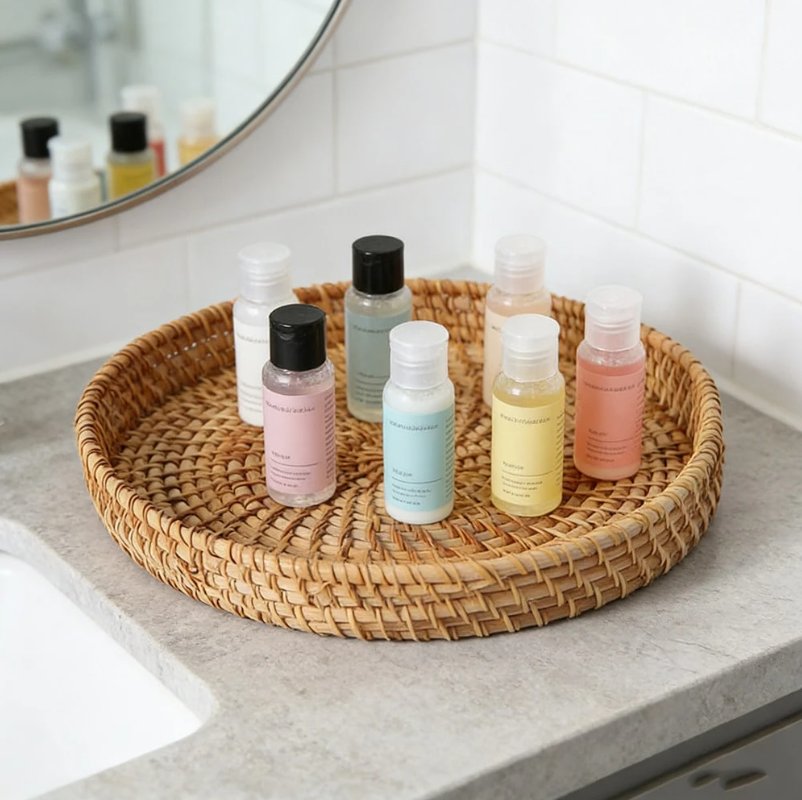
Rattan and seagrass create storage baskets, trays, and decorative pieces that develop richer patina over time. Hand-smoothed finishes ensure no rough edges, and pieces improve with age unlike plastic alternatives that crack and fade.

Mango wood, reclaimed from fruit-bearing trees after productive years end, becomes tissue holders, candle holders, and small furnishings. Natural grain variations make each piece genuinely unique.
Material |
Renewable |
Durability |
Best Uses |
Care |
|---|---|---|---|---|
Bamboo |
Yes, fast-growing |
15-20 years |
Serving trays, bath mats, napkin holders |
Wipe clean, dry thoroughly |
Rattan |
Yes, regenerates |
20+ years |
Storage baskets, decorative trays, home storage |
Soft cloth, avoid prolonged moisture |
Seagrass |
Yes, regenerates |
15-25 years |
Storage baskets, woven homewares |
Dry environment, gentle cleaning |
Mango wood |
Yes, reclaimed |
10-15 years |
Small furnishings, tissue holders, candle holders |
Soft damp cloth, avoid soaking |
Sustainable home decor is most effective when tailored to each room's function. A strategic room-by-room approach helps prioritise purchases and maximise longevity.
The kitchen is where sustainable home decor meets measurable environmental impact through food waste and single-use plastics.
Why this room matters: Visible, accessible storage reduces food waste by up to 15% and eliminates plastic containers and disposable serving pieces.
What to prioritise:
Storage and organisation, Replace plastic containers with handwoven baskets or bamboo organisers. Seagrass and rattan baskets are breathable, preventing moisture buildup that accelerates spoilage. A large seagrass basket can last 15-25 years versus plastic containers replaced every 2-3 years.
Serving and dining pieces, Bamboo and wood serving trays replace disposable alternatives. A bamboo rectangular serving tray (50 × 30 cm) develops richer colour over time.

Table linens and coasters, Bamboo napkin holders and natural fibre coasters reduce paper napkin use and protect surfaces.
Bedrooms and bathrooms are intimate spaces where air quality and material safety matter most. These rooms benefit from calm, natural aesthetics and low-chemical finishes.
Why this room matters: Bedrooms and bathrooms are where synthetic materials off-gas volatile organic compounds (VOCs) that accumulate in closed spaces. Natural materials with minimal chemical treatment improve indoor air quality.
What to prioritise:
Bath mats and textiles, A natural slatted bamboo bath mat (approximately 62 × 45 cm) allows water to drain and air to circulate. Bamboo's natural finish requires no chemical waterproofing.
Storage that doubles as décor, Large foldable seagrass or rattan storage baskets hold blankets, clothing, and seasonal items while adding texture.
Bedside and vanity accents, Natural mango wood tissue holders transform functional necessities into design accents. A tissue holder (approximately 14 × 16 cm) can last 10-15 years.
Living rooms are where sustainable home decor makes its strongest visual impact because these spaces are seen daily and host guests.
Why this room matters: Living rooms set the tone for your home's aesthetic. Timeless natural materials justify keeping pieces for decades, unlike trend-driven décor replaced seasonally.
What to prioritise:
Statement trays and serving pieces, Handwoven rattan or seagrass trays work on coffee tables for styling books, candles, and decorative objects.
Decorative accents with natural finishes, Rattan trays with mother-of-pearl or shell accents combine natural materials with subtle iridescence. A green leaf motif rattan tray (approximately 26 × 16 cm) exemplifies circular design.
Large storage baskets, Seagrass baskets work in living rooms, nurseries, and hallways. A large basket can organise blankets, toys, magazines, or seasonal décor while helping to prevent musty odours.
If budget is limited, prioritise rooms where sustainable choices have the greatest impact:
Within each room, start with under-$30 items (coasters, small holders, napkin holders) that introduce natural materials. Then invest in one larger piece (a serving tray or storage basket) that anchors the room. Skip trend-driven décor; sustainable materials like bamboo and rattan never go out of style because they're timeless, not fashionable.
Start with under-$30 items: Echo Coasters ($19.95), Mango Wood Tissue Holder ($19.95), White Wooden Candle Holder ($19.95), and Acacia Wood Kitchen Scoop ($10.95) are entry points into sustainable home decor.
Handwoven Rattan Serving Tray Set →
Next, invest in one larger piece: the Handwoven Rattan Serving Tray Set ($31.50) or Green Leaf Rattan Tray ($22.50) provide visual impact without breaking budget.
Lotus Handcrafts combines handcrafted quality with ethical sourcing. Our collections feature artisan-made pieces from Vietnam created using traditional techniques by fairly compensated skilled makers.
Every product comes from known artisans using natural materials like bamboo, rattan, coconut wood, and seagrass. Our Australian ownership helps us foster direct relationships with producers.
Not every brand claiming "sustainable" actually delivers. A practical verification framework helps you assess claims yourself rather than relying on marketing language.
Step 1: Assess material sourcing with specific questions
Reputable makers name materials precisely: "natural rattan," "bamboo," "seagrass," "mango wood." Vague terms like "eco-friendly materials" are red flags.
For each material, ask:
Step 2: Evaluate production practices and labour conditions
Ask:
Many small artisan makers operate ethically without formal certifications because certification costs can exceed budgets. Look for direct relationships: Does the brand name specific makers or production locations? Transparency can substitute for formal certification.
Step 3: Compare durability and lifecycle impact
A material's sustainability depends on how long it lasts and what happens at end-of-life. Ask:
A $100 piece lasting 20 years costs $5 per year of use. A $30 piece lasting two years costs $15 per year. Longevity is the ultimate sustainability metric.
Step 4: Recognise greenwashing red flags
Be sceptical of:
Step 5: Use a simple comparison checklist
When choosing between two similar pieces, score each on these criteria:
Criterion |
Weight |
Product A |
Product B |
|---|---|---|---|
Material renewable or reclaimed? |
High |
Yes/No |
Yes/No |
Source transparent and verifiable? |
High |
Yes/No |
Yes/No |
Expected lifespan (years) |
High |
___ |
___ |
Repairable or refurbish-able? |
Medium |
Yes/No |
Yes/No |
Production practices documented? |
Medium |
Yes/No |
Yes/No |
Cost per year of use |
Medium |
$__/yr |
$__/yr |
End-of-life options (recycle/compost/landfill)? |
Low |
___ |
___ |
The product scoring higher on high-weight criteria is the more sustainable choice, regardless of brand name or marketing claims.
The real measure of sustainable home decor isn't the purchase price, it's the cost per year of use. A $100 piece lasting 20 years costs $5 annually. A $30 piece lasting two years costs $15 annually. Longevity is the ultimate sustainability metric.
Design for longevity by choosing timeless aesthetics over trends. Natural materials age beautifully. Bamboo develops deeper colour, rattan grows richer patina, and wood grain becomes more pronounced. These changes signal quality, not decline.
Invest in pieces that serve multiple purposes. A handwoven rattan tray works as serving piece, storage, decorative object, or organiser. Multi-functional design extends usefulness and justifies keeping pieces longer.
Care matters enormously. Follow care instructions, wipe gently, dry thoroughly, store in dry places. A piece maintained properly lasts generations. Neglected pieces deteriorate quickly regardless of material quality.
Sustainable home decor combines environmentally responsible materials, ethical production practices, and durable design to create living spaces that reduce environmental impact. It prioritises pieces made from renewable or recycled materials, handcrafted by artisans using traditional techniques, and designed to last decades rather than seasons. This approach supports fair-trade practices, minimises waste, and celebrates craftsmanship over mass production.
Bamboo, rattan, seagrass, and responsibly sourced wood are among the strongest choices. Bamboo grows rapidly without pesticides, making it highly renewable. Rattan and seagrass are harvested from natural plants and handwoven by artisans into durable homewares. Reclaimed and mango wood repurpose materials that might otherwise be discarded. These natural materials develop character over time, creating pieces that age beautifully rather than deteriorate.
Start with multi-functional pieces like storage baskets that serve both organisation and aesthetic purposes. Choose versatile items in neutral tones that work across room changes and style updates. Invest in foundational pieces first—a quality seagrass basket or bamboo tray—then layer smaller accents like coasters or wooden tissue holders. Handcrafted pieces can offer superior durability, potentially leading to less frequent replacements over time.
Look for transparent sourcing information, including where and how items are made. Authentic artisan brands share details about their makers, production methods, and material sourcing. Ask whether the brand visits their suppliers, documents fair wages, or holds certifications from ethical trade organisations. Handcrafted pieces typically show natural variations in finish, colour, and texture—signs of individual creation rather than mass production. Brands committed to ethical practices are usually eager to share their story and supply chain details.
Absolutely. Natural materials like bamboo, rattan, and light wood complement minimalist interiors beautifully. Their clean lines, neutral tones, and understated finishes align perfectly with contemporary design. Pieces such as a bamboo serving tray or white wooden candle holder add warmth and texture without visual clutter. Sustainable decor's emphasis on quality over quantity also resonates with minimalist principles—fewer, better-made items that serve multiple purposes and last indefinitely.
Sustainable home decor isn't a sacrifice. It's choosing pieces that work harder, last longer, and support ethical makers. At Lotus Handcrafts, we've curated collections of handcrafted homewares designed to endure, from bamboo serving trays to seagrass storage baskets, each piece built to become part of your home's story. Browse our full collections and discover sustainable decor that combines beauty, durability, and responsibility.